DR. MARY LUPO DISCUSSES NON‐SURGICAL REJUVENATION FROM A DERMATOLOGY PERSPECTIVE

Atlanta, GA – April 10, 2013 – Mary P. Lupo, M.D., board certified dermatologist and clinical professor of dermatology at Tulane University School of Medicine, was a speaker at the 21st Annual Multi‐Specialty Symposium “State of the Art in Facial Aesthetics 2013” in Atlanta in March.

With more than 28 years of practicing in the field of cosmetic dermatology, Dr. Lupo discussed her perspective on non‐surgical skin rejuvenation. She says “there can be no beauty without luminous, glowing skin; tighten all you want, but if the canvas is blotchy, the art cannot be seen.” From a cosmetic standpoint, a younger‐looking, refreshed face should have minimal lines and wrinkles, elastosis, hyperpigmentation, enlarged pores, telangiectasia and sagging skin.

Dr. Lupo shares her six R’s to improve aging skin:

1. Relax with botulinum toxin.

2. Refill with a hyaluronic acid.

3. Revolumize with pan‐facial filling, cheek filling, jaw line shaping and increasing dermal thickness.

4. Reshape by combining botulinum toxin + fillers or skin‐tightening lasers and radiofrequency.

5. Resurface/Retexturize with chemical peels, microdermabrasion, lasers (ablative, non‐ablative, fractional non‐ablative, fractional ablative), non‐lasers light and energy sources, and dermabrasion

6. Recolor with daily SPF + retinoids + cosmeceuticals, Intense Pulsed Light, visible light lasers, ablative lasers, chemical peels, microdermabrasion, and fractional resurfacing (ablative and non‐ablative)

There are several levels of treatment options that Dr. Lupo uses based on the patient’s age, skin type and cosmetic expectations and goals. The basic prevention of aging skin includes daily use of full‐spectrum SPF and retinoids with light peels or resurfacing. In addition to this basic prevention, adding botulinum toxin, small volume filler, Intense Pulsed Light and/or non‐ablative laser will be more proactive as the skin begins to show the signs of aging.

For a more aggressive treatment on mature skin, Dr. Lupo turns to both non‐ablative and ablative fractional resurfacing depending on the patient. She finds that Intense Pulse Light is still useful for this type of skin and higher doses volumetric filler are needed, while botulinum toxin starts to become less useful for very mature skin.

No matter the age or skin type, all patients must stick to a basic skin care program to maintain a healthy appearance and to prevent further damage. Basic skin care includes cleansers, sunscreens, retinoids, antioxidant, peptides, growth factors, emollients, exfoliants and/or pigment lightening. Cosmeceuticals will improve tolerability of retinoids, hydrate the skin, repair the epidermal barrier, brighten the skin color, reduce redness and are often anti‐inflammatory. A good skin care regime will be beneficial both before and after a procedure and will complement the procedure to maintain optimal results for a longer period.

Dr. Lupo says there is no one formula for every patient, but every patient deserves an individualized global approach. Combinations are the key to optimal non‐surgical results, and all cosmetic physicians should own and understand each process to advance this goal for patients.

All of the procedures mentioned in Dr. Lupo’s presentation were based on her personal experience and opinion. She recommends all board certified dermatologist receive the proper education and training before performing any procedures. She highly recommends that all patients choose a physician trained in an accredited residency program who has then passed the certifying exam and who is practicing within the scope of care of that specialty. 
DR. MARY LUPO DISCUSSES WAYS TO INCORPORATE LASER, LIGHT AND ENERGY DEVICES INTO AN AESTHETIC PRACTICE

Atlanta, GA – April 10, 2013 – Mary P. Lupo, M.D., board certified dermatologist and clinical professor of dermatology at Tulane University School of Medicine, was a speaker at the 21st Annual Multi‐Specialty Symposium “State of the Art in Facial Aesthetics 2013” in Atlanta in March.

With more than 28 years of practicing in the field of cosmetic dermatology, Dr.Lupo shared her insight on laser, light and energy devices with other dermatologists and plastic surgeons. When deciding whether to purchase or rent a new devise for a cosmetic practice, the buyer should have a good understanding of the local population as well as the competition. It is key to make sure the right technology is chosen for the style of the practice and patient preference. Other things to consider when purchasing new devices include cost of equipment, cost to run, cost to maintain, legalities of delegation and use of existing square footage.

New laser, light and energy devices should complement and supplement other treatments available at the practice. For example, skin tightening devices and skin resurfacing devices complement facial surgery and injectables, while body contouring devices complement liposuction. These devises are designed for all skin types from a younger patient who wants to maintain a fresh look to an older patient who wants to maintain a previous cosmetic treatment or surgery or does not want to undergo surgery.

Lasers can benefit and complement a broad spectrum of both medical and cosmetic skin conditions, and investing in these devices is definitely something all cosmetic physicians should consider. They are a way to improve revenue, improve the office’s treatment profile, drive in new patients and keep established patients from leaving the practice. For any cosmetic physician just starting out, Dr. Lupo suggests focusing on injectables and peels at first because there is no major equipment to purchase and the return on investment is high. Once the practice is established and research has been done, consider the options that best suit the patiens’ needs.

All of the procedures mentioned in Dr. Lupo’s presentation were based on her personal experience and opinion. She recommends all board certified dermatologist receive the proper education and training before performing any procedures. She highly recommends that all patients choose a physician trained in an accredited residency program who has then passed the certifying exam and who is practicing within the scope of care of that specialty. 
Chemical Peels Treat A Variety of Skin Conditions

Today there are a number of medical and cosmetic treatments available to help improve most skin abnormalities. One treatment option that can benefit a variety of patients is the chemical peel. Ranging from mild to strong, most patients can find a peel that will compliment their skin type while improving their skin condition whether it’s to achieve a healthy glow or to correct wrinkles or blemishes.

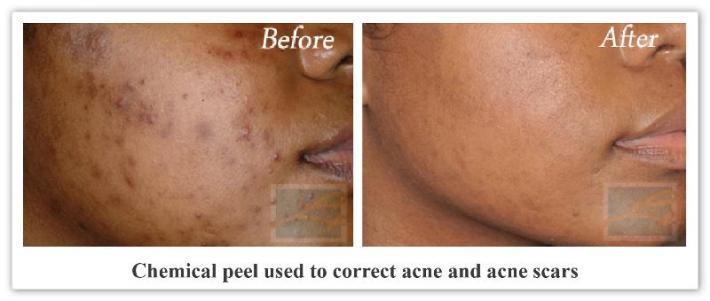
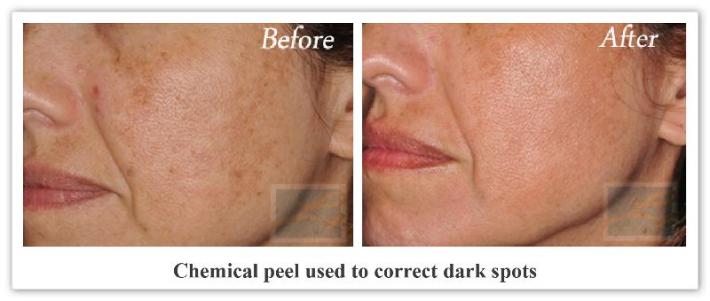
A chemical peel works as a resurfacing technique that removes the top layers of the skin by means of a chemical, as opposed to heat with a laser or mechanical means with dermabrasion. The chemical is chosen based on the skin type and color of the complexion as well as the skin condition being treated. Acne, aging and discoloration are the usual indications for a chemical peel. New skin is laid down so that pores appear smaller, fine lines are plumped up and seem to disappear and acne and acne discoloration are improved. And no matter what strength of peel is used, recovery time is usually minimal.

The Lupo Center’s three most popular chemical peels are the salicylic acid, glycolic acid and trichloroaceticacid (TCA) peels. There are, however, other peel options that are used in combination with these three peels to give a patient optimal results.

Glycolic acid is the mildest of the peel formulas and is used for the treatment of fine lines, dry skin, uneven pigmentation and acne. As the glycolic acid exfoliates and dead skin cells are removed, healthier, younger-looking skin is formed.

Salicylic acid is a great choice for all skin types and is safe for patients with active acne or rosacea. This peel removes damaged skin caused by aging, acne and the sun to reveal the healthier skin underneath. Combining a salicylic acid peel with a stronger retinoic acid peel is a great way to decrease the visibility of scars, wrinkles and pigmentation.

The TCA peel is the strongest of the three peels, and it is used to correct fine surface wrinkles, blemishes and pigmentation problems. TCA is safe for darker complexions when preformed correctly. A patient can achieve significant results when TCA is combined with a Jessner peel but will have about a week of downtime.

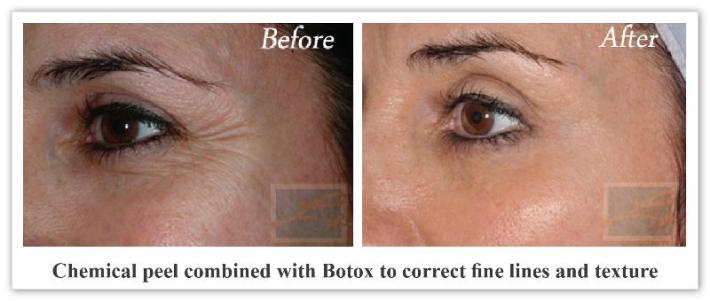
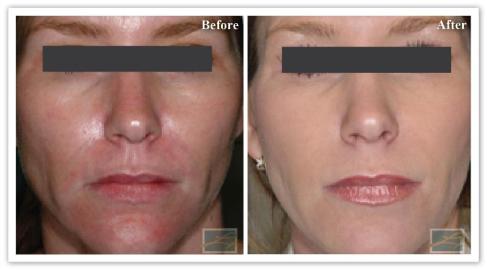
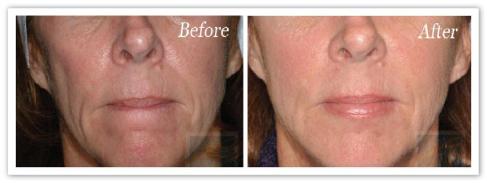
Before any chemical peel is preformed, the doctors at the Lupo Center will set up a pre- and post-peel skin regimen in order to enhance the results. Our doctors often find it beneficial for patients to receive Botox treatments before a peel in order to relax the muscles so the skin heals smoother (see pictures above). To prevent redness, infection and hyperpigmentation after a peel, it is important to keep the skin moist, use daily sunscreen and never pick at the skin. Since sun avoidance after the peel is mandatory, some patients find it easier to receive a chemical peel treatment during the winter months.

A chemical peel is a safe procedure with very few side effects when preformed properly. Dr. Lupo does not recommend over-the-counter chemical peels as the ingredients in the peels can cause significant changes to skin color and even lead to permanent scarring if not used correctly. A trained professional should perform the procedure for safety purposes and overall better results leaving the skin with a healthier, younger-looking glow.

Any patient who purchases a package of three of the same peels by February 28, 2013 will receive 10% off of the package. Don’t forget to mention that you saw this promotion on our blog!


Save $200 on Sculptra Aesthetic

Sculptra

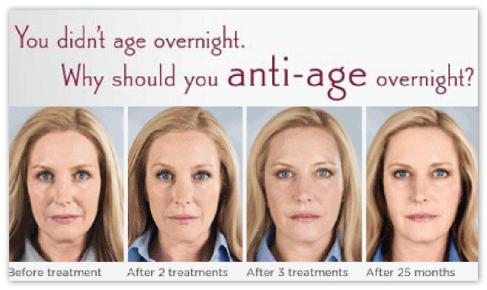
Sculptra Aesthetic is the first facial injectable that gives subtle results over time, resulting in a more natural-looking appearance. It helps correct shallow to deep facial wrinkles and folds that appear with aging by replacing lost collagen. A full treatment of Sculptra Aesthetic, an average of three injection sessions over a few months, can last more than two years for some patients.

Sculptra patients can save $200 when they pre-pay for two vials of Sculptra: $100 off instantly and a $100 mail-in rebate. Offer expires on March 31, 2013.

To schedule an appointment, call 504-288-2381.

Sculptra

Sculptra

Laser Hair Removal Treatments

laser hair-1

While most of us are still feasting on holiday leftovers, the last thing on our mind is shorts, tank tops or swimsuits! Even though the warmer months are quite a ways away, now is the time to start planning ahead! Since the (relatively) cooler, less sunny months are here, Dr. Lupo says this is the perfect time to receive laser hair removal treatments. The procedure has a higher success rate when the treated area is un-tanned. The lighter the skin, the greater the energy level that can be used, and the fewer treatments are needed. More energy can get down to the follicle to destroy it when the skin is lighter.

Image

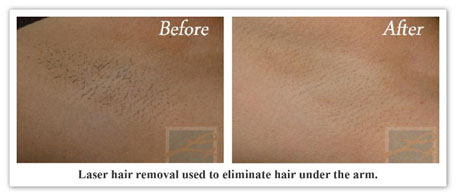
Used on the face, underarms, bikini, legs, arms, back, buttocks, abdomen and breasts, laser hair removal is the most popular laser treatment in the United States. Multiple sessions are necessary to eliminate all of the hair as it cycle through the individual growth stages. Since light hair has no pigment to absorb the light energy from the laser, laser hair removal won’t eliminate white or blonde hair.

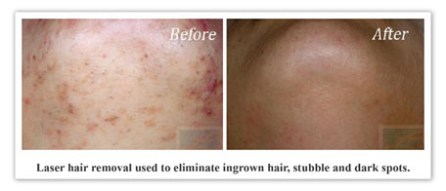
While laser hair removal is mostly done to stop hair growth, many women and men find it helpful to eliminate painful, unattractive ingrown hair. Also, since the follicle is destroyed during the procedure, patients do not have to worry about stubble or dark spots at the follicle.

Since laser hair removal is very popular these days, the procedure is usually available at med spas or large laser operation centers. Dr. Lupo warns patients that these places have no physician supervision and are no place to get a medical laser procedure. At times, medical causes of excessive facial hair are being overlooked. It is better to get a consult by a qualified board certified dermatologist who will look at you as a patient first and ask the questions that will alert for possible hormonal problems.

Any patient who receives a laser hair removal treatment by January 31, 2013 will receive 10% off of the first treatment for one area.

Don’t forget to mention that you saw this promotion in our newsletter!